Chile Peppers: Origin, Heat and What Each One Does
Make your own: hot sauce recipe builder → Choose a pepper, scale a sourced recipe, and print your batch.
Chile peppers are one genus with five domesticated species, and the differences that matter in a kitchen are older than any heat rating. This reference lists the chiles cooks actually buy, with the published Scoville range for each, the flavor it brings, and the job it does in a sauce: from a poblano at 500-1,000 Scoville units to a Carolina Reaper listed at 2,200,000+. Where sources disagree, genetics and growing conditions explain the spread.
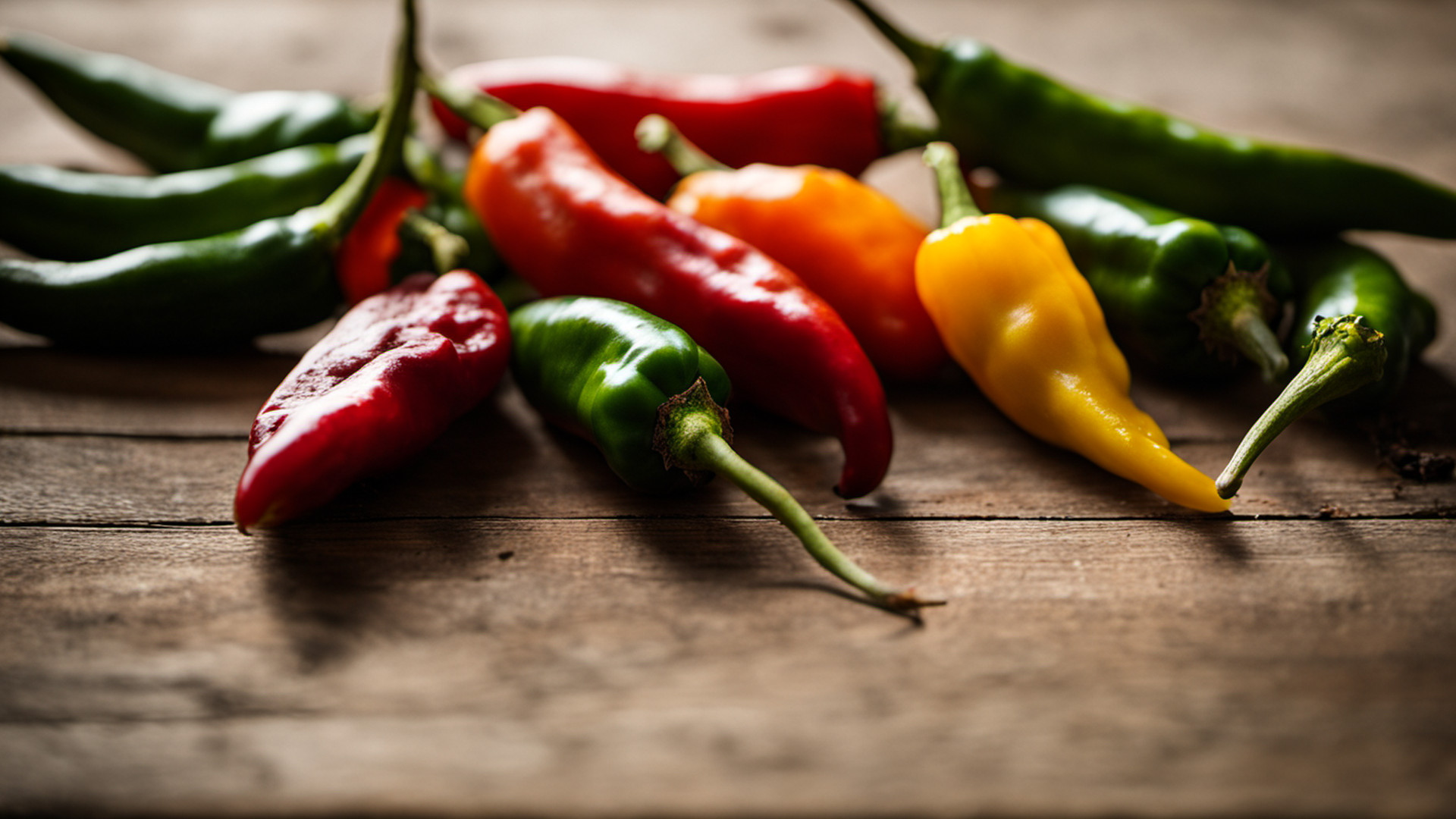

One genus, five domesticated species
Chile peppers belong to Capsicum, and the wild side of that genus is larger than the shelf suggests: 26 wild species, five of them domesticated. Where the first pods appeared is still argued inside the same institution. The institute's story page puts the starting point in the lowlands of Brazil; its own director, quoted on a separate institute page, places the first chiles in Bolivia. Both are published by the same university, which is why this page treats the deep history as a live question rather than settled fact.
The five domesticated lines are annuum, chinense, frutescens, baccatum and pubescens. Species explains more about a pepper's behavior than heat does. Habaneros and Scotch bonnets sit in chinense, Tabasco is frutescens, the South American ajis are baccatum, and rocoto and manzano are pubescens. Everything else cooks reach for — bells, poblanos, jalapeños, anchos, guajillos — is annuum.
Birds spread the genus before people did. They lack the receptors in their mouths that feel the heat, so they eat pods whole and pass viable seed. Columbus gave the fruit its misleading English name: he felt the same burn he knew from black pepper. Cultivation followed people, and communities were selecting chile plants 15,000 years ago.

Mexico: the chiles behind mole and salsa
Mexico supplies most of the annuum types here, and many of them are sold under two names — one fresh, one dried. A poblano becomes an ancho; a chilaca becomes a pasilla. The dried versions are the ones that build sauces.
Poblano is the mild one at 500-1,000 Scoville units, smoky and sweet rather than sharp, and a staple of Mexican cooking. Jalapeño runs 5,000-15,000 Scoville units with thick, crisp skin, sold fresh, pickled, or smoked into chipotle. Serrano is hotter at 15,000-25,000, crisp and bright enough to survive raw, and the default for pico de gallo.
Pasilla sits at 1,000-2,000 Scoville units with a sweet-to-smoky profile and is a mole chile. Guajillo is the workhorse: 3,000-5,000 Scoville units, sweet fruitiness, essential for mole sauces. Cooks group ancho, pasilla and guajillo as the Holy Trinity of Chiles.
Chile de árbol comes from Chihuahua and runs 15,000-30,000 Scoville units, with smoky depth and enough punch for zesty sauces. Chiltepín, native to Texas, Arizona and Mexico, reaches 100,000-250,000 Scoville units with intense flavor and is used sparingly to spice up a dish. Pequín is smaller and has a complex and nutty flavor at up to 100,000, and it is the chile behind South Texan pequin vinegar.
Chilhuacle negro, from Oaxaca, is mild at 1,500-2,500 SHU, tastes of chocolate, tobacco and dried plum, and is the heart of mole negro.

The American Southwest and the green chile question
New Mexico's chile industry rests on a breeding line that began with Fabián García, whose New Mexico No. 9 became the standard variety for the next 30 years. Anaheim came out of the same work: developed in 1913, it is the original New Mexico green chile, bred to be bigger, fleshier and milder, and sold at 500-1,000 Scoville units for roasting and stuffing.
Hatch is not a variety. There is no chile pepper variety named Hatch; the name marks where the pods were grown, and the New Mexican pod type was first grown commercially in the Hatch Valley. Chiles sold under that name run 1,000-3,000 Scoville units with thick, meaty flesh, and roasting is the standard use. Big Jim, released in 1975, sits at 2,500-4,000 Scoville units and is the relleno chile for many cooks.
Fresno, developed in 1952 and named for Fresno, California, is often mistaken for a jalapeño; it has thinner walls and a slightly milder heat, runs about 5,000 Scoville units, and takes well to being used fresh, roasted or pickled.
Sweet types matter too. Sweet banana peppers run 0-500 Scoville units and are pickled or stuffed. Cherry peppers have none of that heat and are used for pickling or snacking. Bell peppers have no heat at all and are sweet and crisp; they are eaten raw, grilled or stuffed. Paprika is a drying pepper, 0-100 Scoville units, bred for smoky-sweet powder rather than fresh eating. Pimento runs the other way: an Ohio heirloom at 0-500 Scoville units, crisp in texture, and the pepper behind pimento cheese.

The Caribbean and the superhots
Chinense is the species behind most heat records, and its peppers keep a fruit-forward character even at extreme pungency. That combination — fruit plus pain — is why the superhots end up in sauces rather than on a plate.
Habanero is the reference: 250,000 Scoville units, citrusy with an apricot aroma, and built for salsas, hot sauces and pico de gallo. Scotch bonnet is the Caribbean answer at 300,000 Scoville units, sweeter and more citrus-like, and the chile for Jamaican jerk sauce. Datil is the Florida exception, a Saint Augustine staple at 100,000-300,000 Scoville units, sweet and fruity, and used in hot sauces, jellies and mustards.
The record class is where numbers get noisy. Trinidad Scorpion reaches 1,400,000 Scoville units with fruity sweetness under the burn and is used for fruity salsas. Bhut Jolokia, the ghost pepper from India, is listed at 1,041,427 Scoville units; it stays fruity and mostly goes into hot sauces. Carolina Reaper is listed at 2,200,000+ Scoville units, fruity and sweet with smoke underneath, and used in salsas, marinades and hot sauces.
Tabasco is frutescens, not chinense, and far lower at 30,000-50,000 Scoville units. Its value is the smoky taste and the fact that it ferments with vinegar and salt.
The Andes and Brazil
Baccatum is the South American species, and its peppers tend to be more aromatic than punishing. The Peruvian and Brazilian shelves are where those aromatics show up most clearly.
Aji amarillo is the most frequently used chile in Peru, 30,000-50,000 Scoville units, with a mango-like taste. Aji limo, also sold as lemon drop, comes from the Andes; it is very hot with lemony-lime flavor, and it belongs in ceviche.
Biquinho comes from Brazil and is mild at 500-1,000 Scoville units; it is citrusy and eaten raw as a snack. Malagueta is the Brazilian standby for everyday heat: 60,000-100,000 Scoville units, a distinct taste, and the base for vinegar brines.
Aji panca is the low-heat baccatum: rich sweet flavor with little heat. Rocoto and manzano are pubescens, the species that grows at altitude in the Andes rather than in the lowland tropics. It is the odd one out botanically — fuzzy leaves, black seeds, and a thick-walled pod that behaves more like a fruit than a chile when cooked.
The Mediterranean, the Levant and East Asia
The rest of the world's chiles are mostly annuum, and each region settled on a different use for the same species: drying, pickling, frying, or blistering.
Aleppo is the Levantine drying pepper: 10,000 Scoville units, fruity undertones, and best used by sprinkling it over a finished dish. Pepperoncini is the Greek pickling pepper at 100-500 Scoville units, tangy, and built for pickling.
Cubanelle is the Italian frying pepper: sweet and mild, thin-walled and low in moisture, which makes it quick frying rather than stewing. Shishito is the Japanese heirloom: mostly mild and sweet with an occasional hot pod, and the standard preparation is blistered with salt.
Calabrian is the Italian pickling pepper at moderate heat, used fresh or for pickling. Kashmiri is grown for its moderate pungency and the deep red color it gives a sauce. Urfa biber is the Turkish dried pepper at 7,500 Scoville units, redolent of raisin, chocolate and smoke, and paired with eggplant, tomato sauces and lamb. Pimiento de Padrón is the Spanish frying pepper, mild to medium with occasional bursts of heat, and it is bred for frying and tapas. Gochugaru is the drying pepper behind kimchi, super sweet with a building heat. Thai Dragon covers the Southeast Asian slot at 60,000-100,000 Scoville units; a little goes a long way in Asian-inspired dishes, salsas and hot sauces. Cayenne is the pepper defined by how it dries: 50,000 Scoville units, thin-fleshed, and used for fiery flakes and powders with heat that does not bury the pepper flavor.
What each chile does in a sauce
Read the table by function, not by heat. Heat is the easy axis; the reason to choose one chile over another is what it contributes besides capsaicin.
Body comes from flesh. Anaheim was bred to be fleshier and Hatch chiles carry thick, meaty flesh, which is why both are used for roasting and stuffing before they go into a sauce.
Smoke is mostly a processing choice. Pasilla has a sweet-to-smoky profile; Tabasco dries into a smoky taste; chile de árbol brings smoky depth when toasted into oil.
Fruit comes from chinense and baccatum. Habanero brings apricot aroma, Scotch bonnet brings a citrus-like flavor, aji amarillo brings a mango-like taste, and biquinho stays citrusy at a fraction of the heat.
Acid and brine belong to the frutescens and everyday types. Tabasco ferments with vinegar and salt, malagueta goes into vinegar brines, and pequin vinegar is a South Texas tradition. Color is a separate job: guajillo's sweet fruitiness and paprika's smoky-sweet powder are chosen as much for the red they leave as for flavor. Texture is why serrano stays crisp {m('serrano_flavor')} and why pimento keeps a crisp texture. Aroma is why aleppo is for sprinkling over a finished dish and why aji limo reads as lemony.
And some peppers are chosen for heat that stays out of the way: cayenne's 50,000 Scoville units with heat that does not bury the pepper flavor.
Finally, every number here is a range for a reason. Heat is the product of genetics and environment, which is why two listings for the same pepper disagree. The original Scoville test dilutes samples in the laboratory until tasters can no longer detect heat, and the accurate instrument method is high-performance liquid chromatography.
Floor of the published Scoville range, eleven everyday chiles
The bottom of each published range, from a pepperoncini at 100 to a cayenne at 50,000. Superhots sit far above this band and are charted separately.
| Item | Value | Unit |
|---|---|---|
| Pepperoncini — Scoville | 100 | Scoville units |
| Poblano — Scoville | 500 | Scoville units |
| Anaheim — Scoville | 500 | Scoville units |
| Pasilla — Scoville | 1,000 | Scoville units |
| Guajillo — Scoville | 3,000 | Scoville units |
| Fresno — Scoville | 5,000 | Scoville units |
| Aleppo — Scoville | 10,000 | Scoville units |
| Jalapeño — Scoville | 5,000 | Scoville units |
| Serrano — Scoville | 15,000 | Scoville units |
| Chile de árbol — Scoville | 15,000 | Scoville units |
| Cayenne — Scoville | 50,000 | Scoville units |
The superhot band, from habanero to Carolina Reaper
Listed Scoville values for six chinense and frutescens peppers. Breeder and lab figures vary; each bar uses the number its own listing publishes.
| Item | Value | Unit |
|---|---|---|
| Habanero — Scoville | 250,000 | Scoville units |
| Scotch Bonnet — Scoville | 300,000 | Scoville units |
| Datil — Scoville | 100,000 | Scoville units |
| Bhut Jolokia — Scoville | 1,041,427 | Scoville units |
| Trinidad Scorpion — Scoville | 1,400,000 | Scoville units |
| Carolina Reaper — Scoville | 2,200,000 | Scoville units |
| Chile | Heat (SHU) | Flavor | In a sauce |
|---|---|---|---|
| Bell | No heat at all | Sweet, crisp | Raw salads, grilling |
| Poblano / Ancho | 500-1,000 | Smoky, sweet | Mexican dishes |
| Jalapeño | 5,000-15,000 | Thick, crisp skin | Chipotle when smoked |
| Serrano | 15,000-25,000 | Crisp, bright | Pico de gallo |
| Cayenne | 50,000 | Pepper flavor | Flakes, powders |
| Fresno | 5,000 | Thinner walls | Fresh, roasted, pickled |
| Anaheim | 500-1,000 | Fleshier, milder | Roasting, stuffing |
| Hatch / New Mexico | 1,000-3,000 | Thick, meaty flesh | Roasting |
| Big Jim | 2,500-4,000 | Rich flavor | Chile rellenos |
| Paprika | 0-100 | Smoky-sweet | Drying, powder |
| Pasilla / Chilaca | 1,000-2,000 | Sweet-to-smoky | Mole sauces |
| Guajillo | 3,000-5,000 | Sweet fruitiness | Mole sauces |
| Chile de árbol | 15,000-30,000 | Smoky depth | Zesty sauces |
| Chiltepín | 100,000-250,000 | Intense flavor | Spice up dishes |
| Pequín | 100,000 | Complex and nutty | Pequin vinegar |
| Chilhuacle negro | 1,500-2,500 | Chocolate, tobacco | Mole negro |
| Pimento | 0-500 | Crisp texture | Pimento cheese |
| Cubanelle | Sweet, mild | Italian frying pepper | Quick frying |
| Pepperoncini | 100-500 | Tangy | Pickling |
| Shishito | Mild, sweet | Mild, sweet | Blistered with salt |
| Aleppo | 10,000 | Fruity undertones | Sprinkling over pizzas |
| Thai Dragon | 60,000-100,000 | Asian-inspired dishes | Salsas, hot sauces |
| Habanero | 250,000 | Apricot aroma | Pico de gallo |
| Scotch Bonnet | 300,000 | Citrus-like flavor | Jerk sauce |
| Datil | 100,000-300,000 | Sweet and fruity | Jellies, mustards |
| Bhut Jolokia / Ghost | 1,041,427 | Fruity | Hot sauces |
| Carolina Reaper | 2,200,000+ | Fruity, sweet | Salsas, marinades |
| Trinidad Scorpion | 1,400,000 | Fruity sweetness | Fruity salsas |
| Tabasco | 30,000-50,000 | Smoky taste | Vinegar and salt |
| Malagueta | 60,000-100,000 | Distinct taste | Vinegar brines |
| Aji Amarillo | 30,000-50,000 | Mango-like taste | Peru's most-used chile |
| Aji Limo / Lemon Drop | Very hot | Lemony-lime flavor | Ceviche |
| Peperone Piccante Calabrese | Moderate heat | Small Red Cherry | Fresh or pickling |
| Kashmiri | Moderate pungency | Deep red color | Color and flavor |
| Pimiento de Padrón | Mild to medium heat | Bright, slightly smoky flavor | Frying, tapas |
| Sweet banana / wax | 0-500 | Sweet, crunchy | Pickled, stuffed |
| Cherry | None | Tangy flavor | Pickling, snacking |
| Urfa Biber | 7,500 | Raisin, chocolate, smoke | Eggplant, lamb |
| Gochugaru | Building heat | Super sweet | Kimchi |
| Biquinho | 500-1,000 | Citrusy | Raw snacking |
Filter the list by heat and species
Every chile on this page, grouped by the range it is sold in and by the species it belongs to. Species decides how a pepper tastes; the published range decides how far it goes.
40 of 40 chiles
| Chile | Species | Published range | In a sauce |
|---|---|---|---|
| Bell | C. annuum | No heat | Raw, grilled, stuffed |
| Poblano / Ancho | C. annuum | 500–1,000 | Rellenos, sauces |
| Jalapeño | C. annuum | 5,000–15,000 | Fresh, pickled, chipotle |
| Serrano | C. annuum | 15,000–25,000 | Pico de gallo |
| Cayenne | C. annuum | 50,000 | Flakes and powder |
| Fresno | C. annuum | 5,000 | Fresh, roasted, pickled |
| Anaheim | C. annuum | 500–1,000 | Roasting, stuffing |
| Hatch / New Mexico | C. annuum | 1,000–3,000 | Roasting |
| Big Jim | C. annuum | 2,500–4,000 | Chile rellenos |
| Paprika | C. annuum | 0–100 | Drying, powder |
| Pasilla / Chilaca | C. annuum | 1,000–2,000 | Mole, enchilada sauce |
| Guajillo | C. annuum | 3,000–5,000 | Mole, marinades |
| Chile de árbol | C. annuum | 15,000–30,000 | Sauces, infused oil |
| Chiltepín | C. annuum | 100,000–250,000 | Finishing heat |
| Pequín | C. annuum | 100,000 | Pequin vinegar |
| Chilhuacle negro | C. annuum | 1,500–2,500 | Mole negro |
| Pimento | C. annuum | 0–500 | Pimento cheese |
| Cubanelle | C. annuum | Sweet | Quick frying |
| Pepperoncini | C. annuum | 100–500 | Pickling |
| Shishito | C. annuum | Mostly mild | Blistered with salt |
| Aleppo | C. annuum | 10,000 | Finishing flakes |
| Thai Dragon | C. annuum | 60,000–100,000 | Stir-fry, sauces |
| Habanero | C. chinense | 250,000 | Salsas, hot sauce |
| Scotch Bonnet | C. chinense | 300,000 | Jerk sauce |
| Datil | C. chinense | 100,000–300,000 | Sauces, jellies |
| Bhut Jolokia / Ghost | C. chinense | 1,041,427 | Hot sauce |
| Carolina Reaper | C. chinense | 2,200,000+ | Salsas, marinades |
| Trinidad Scorpion | C. chinense | 1,400,000 | Fruity salsas |
| Tabasco | C. frutescens | 30,000–50,000 | Vinegar ferment |
| Malagueta | C. frutescens | 60,000–100,000 | Vinegar brines |
| Aji Amarillo | C. baccatum | 30,000–50,000 | Peruvian cooking |
| Aji Limo / Lemon Drop | C. baccatum | Very hot | Ceviche |
| Peperone Piccante Calabrese | C. annuum | Moderate heat | Fresh or pickling |
| Kashmiri | C. annuum | Moderate pungency | Color and flavor |
| Pimiento de Padrón | C. annuum | Mild to medium | Frying, tapas |
| Sweet banana / wax | C. annuum | 0–500 | Pickled, stuffed |
| Cherry | C. annuum | No heat | Pickling, snacking |
| Urfa Biber | C. annuum | 7,500 | Eggplant, lamb |
| Gochugaru | C. annuum | Building heat | Kimchi |
| Biquinho | C. chinense | 500–1,000 | Snacking, pickling |
FAQ
What is the hottest chile pepper in this guide?
Carolina Reaper is listed at 2,200,000+ Scoville units, ahead of Trinidad Scorpion at 1,400,000 and Bhut Jolokia at 1,041,427.
Why do published Scoville numbers differ between sources?
Heat is the result of the plant's genetics and its environment, so a range is the honest answer. The original test dilutes samples in the laboratory until tasters stop detecting heat; high-performance liquid chromatography is the accurate instrument method.
Is Hatch a pepper variety?
No. There is no chile pepper variety named Hatch; the name describes where the pods were grown, and the New Mexican pod type was first grown commercially in the Hatch Valley.
Which chiles are mild enough to use by the handful?
Bell peppers have no heat at all; poblano runs 500-1,000 Scoville units; cubanelle is sweet and mild and shishito is mostly mild and sweet.
Which chile should I use for a smoky sauce?
Pasilla for a sweet-to-smoky profile, chile de árbol for smoky depth in oil, or Tabasco when the smoke should arrive with vinegar and salt.