Mapping the Market Season Before It Opens
Make your own: hot sauce recipe builder → Choose a pepper, scale a sourced recipe, and print your batch.
A farmers market season is a fixed window with a fixed number of selling days, and the production calendar has to fit inside it. One 2026 market runs 25 Saturdays from April 18 to October 10, open 9am to 2pm. That is a countable number of market days, each with a booth fee and a stock requirement. Building the year around that count, rather than around an intention to sell at markets, is what turns the season into a plan.
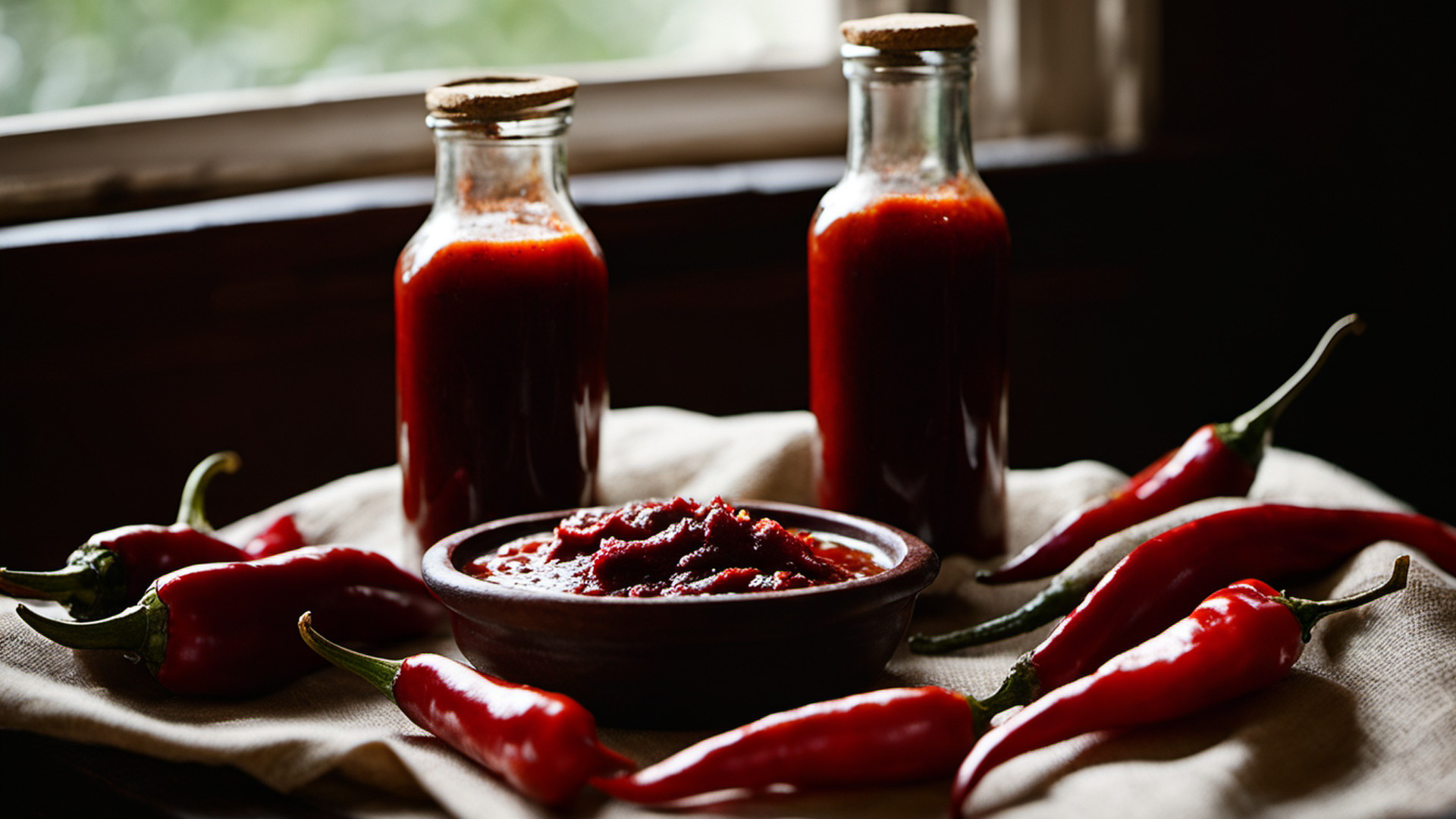

The season has fixed edges
Market seasons are published in advance, which makes them the rare part of a small food business that can be planned to the day.
Puyallup Farmers Market runs 25 Saturdays from April 18, 2026 through October 10, 2026, and the market operates rain or shine. Hours are 9am to 2pm, which is five hours of selling per date. Twenty-five dates at five hours each is the entire face-to-face selling window for the year at that market.
Write those edges on the production calendar before anything else. Every batch decision sits between them: what to make for opening day, what to restock mid-season, and what to stop making in September so the last dates do not end with cases in the van.
The other edge is the paperwork. There is a $40 one-time non-refundable application fee before a vendor is approved, and a prepaid 23 to 25 date schedule is $575 for a single booth. Those are dated commitments, and they sit before the season rather than inside it.
A market with a published start date is easier to staff than a market with a published intention. The vendor knows the number of Saturdays before buying a single case, and the booth fee can be divided across that count instead of being treated as a weekly surprise.

Production has to land before opening day
The most common season failure is not a bad market day. It is a first market day with nothing to sell, because the production calendar started in April.
Work backwards from the first Saturday. A sauce that ferments needs weeks in a vessel before it can be bottled. A label run needs a print lead time. Bottles need to arrive before the filling day, not on it. Each of those is a dated dependency, and the season's fixed start makes them all visible at once if you write them down in order.
The second deadline that catches brands is the restock. A market that sells well in the first four weeks empties the stock you made for opening, and the replacement batch has the same lead time as the first one. The window to notice is the week after the shelves thin, not the week before the market.
A simple rule keeps this honest: no market date should depend on a batch that has not started yet. If a date is on the calendar, the stock for it is either made or in process, and the batch record says which.

Harvest sits inside the season
Pepper availability runs on its own calendar, and it overlaps the market season in a way that decides which batches can be fresh and which have to be preserved.
Fresh Hatch green chile harvest typically runs from late July into October. A market season that opens in April and closes in October therefore starts before the fresh crop and ends at the tail of it. Opening-day sauce is made from last year's frozen or dried stock, and the fresh crop arrives mid-season.
That shapes the product plan. A brand that wants a fresh-pepper release has a narrow window inside the season to make it, sell it and keep any remainder. A brand that wants consistency across all 25 dates is buying frozen or dried input for the whole run and treating fresh as a limited edition.
Both are legitimate. The failure is discovering the mismatch in August, when the fresh crop arrives and there is no vessel, no label and no booth capacity to sell a new item. Put the harvest window on the same calendar as the market dates and the overlap stops being a surprise.

Retail moves while the season closes
The grocery channel that a market vendor is trying to enter has its own seasonal shape, and it does not peak in the same month as the market.
Grocery store sales ran $78,734 million in July 2026, $77,628 million in August and $75,532 million in September, on a not-adjusted basis. Late summer is the high point of that three-month run and it fades into fall, while the market season is still going.
That matters for a brand selling both channels. Market sales and grocery shelf sales do not peak on the same date, so the production plan needs two curves rather than one. A batch made for a September market date and a batch made for a November retail shelf are the same recipe with different timing and different packaging.
The practical version is to keep the market season's stock and the wholesale stock as separate lines in the same plan. When the season closes in October, the wholesale line is still moving and the market line has to stop cleanly rather than be dumped into the other channel at a discount.
The shipping deadline ends the year
For any brand selling direct, the calendar has a hard stop in December that is published months in advance and cannot be negotiated.
USPS send-by dates for delivery before December 25 are Thursday, Dec. 17 for Ground Advantage, Friday, Dec. 18 for Priority Mail and Saturday, Dec. 19 for Priority Mail Express. Orders after those dates are orders that arrive late, and a sauce brand that sells gift sets feels that in refunds and messages.
Work back from those dates to the production deadline. A gift set needs bottles, labels, boxes and a packing day, and the packing day needs stock that was bottled before it. The realistic last production day is weeks before the shipping cutoff, not days.
The season plan therefore has three markers, not one: the market closing date, the last production day for holiday stock, and the carrier cutoff. Brands that plan only the first one discover the other two in December, when there is no room left to act.
Grocery store sales by month, 2026
Not-adjusted monthly grocery store sales in millions of dollars. The retail channel peaks in late summer, months before the market season closes.
| Item | Value | Unit |
|---|---|---|
| July 2026 | 78,734 | $ million |
| August 2026 | 77,628 | $ million |
| September 2026 | 75,532 | $ million |
FAQ
How many selling days does a market season have
It varies by market and is published before the season. Puyallup lists 25 Saturdays from April 18 to October 10, 2026 with hours of 9am to 2pm, so the season is a countable number of five hour selling days.
When does the market paperwork close
Before the season opens. Puyallup charges a $40 one-time non-refundable application fee, and a prepaid 23 to 25 date single booth is $575. Both are commitments made before the season opens, and both are dated obligations rather than walk-up costs.
Can fresh peppers supply a whole market season
Rarely. Fresh Hatch harvest typically runs from late July into October, so a season that opens in April starts on stored stock. Plan fresh-pepper releases as a mid-season item and frozen or dried input as the base for the rest.
When is the last day to ship for holiday orders
USPS lists Thursday, Dec. 17 for Ground Advantage, Friday, Dec. 18 for Priority Mail and Saturday, Dec. 19 for Priority Mail Express. Production for holiday stock has to finish well before those cutoffs.