What a Restaurant Menu Placement Is Worth Per Ounce
Make your own: hot sauce recipe builder → Choose a pepper, scale a sourced recipe, and print your batch.
A restaurant account is usually discussed as a marketing win and costed as one case. The better measure is per ounce, because a kitchen uses sauce by volume rather than by bottle count. A ten-ounce woozy holds 10.65 fluid ounces and costs $7.80 a case of 12, which is about 6 cents of glass for every fluid ounce a cook can portion. That number decides whether the menu placement is a channel or a sample program.
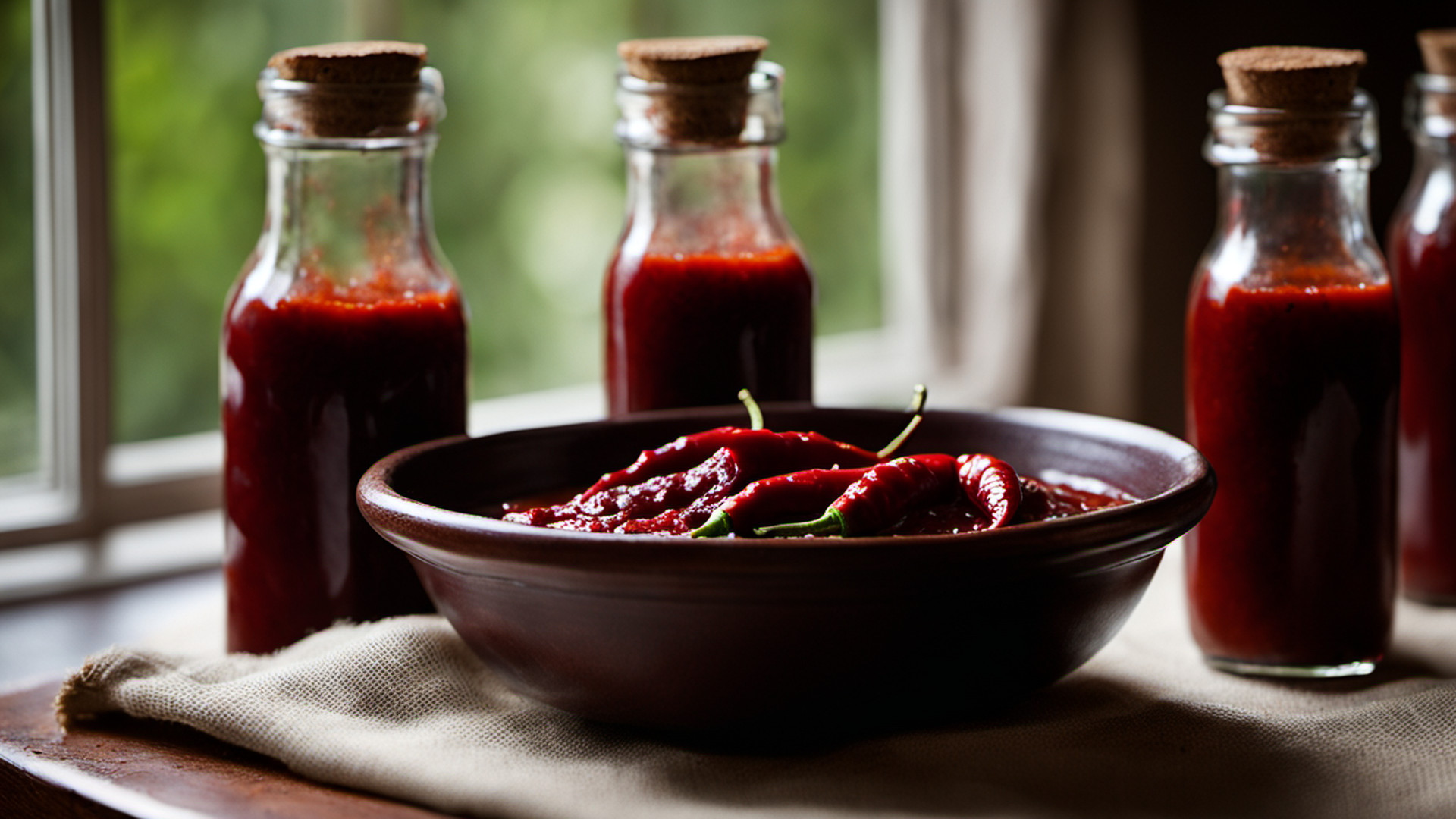

A menu placement is a case order
A restaurant does not buy a shelf facing. It buys cases and consumes them on a schedule set by the menu. The first order is usually small, which means the arithmetic of the placement is dominated by the container cost rather than by volume discounts.
Start with the bottle the kitchen will actually use. A ten-ounce case is $7.80 for 12 bottles. A five-ounce case is $5.99. An eight-ounce case is $10.10. Each is 12 bottles, so the difference in cost per case is a difference in fill volume, not in bottle count.
That distinction matters when a chef asks for the smallest bottle. A five-ounce bottle looks cheaper on the invoice and costs more per ounce of sauce, which is the number the kitchen will feel when the line goes through a case every ten days.
Quote the case and the fill volume together, then let the chef choose the format. A kitchen that goes through sauce quickly will take the larger bottle once the per-ounce cost is in front of them, and a kitchen that uses it as a finishing touch will take the small one.

Price the pour by fluid ounce
The label says ten ounces, but the bottle holds more. The ten-ounce woozy has an overflow volume of 10.65 fluid ounces, the five-ounce holds 5.20, and the mini holds 1.82.
Overflow is the number to use when a kitchen asks how many portions a case yields. A case of 12 ten-ounce bottles is 127.8 fluid ounces, or about 16 eight-ounce portions, before any waste. A case of five-ounce bottles is 62.4 fluid ounces, roughly 8 portions of the same size.
Run the glass cost per fluid ounce and the comparison becomes obvious. Ten-ounce glass at $7.80 a case is about 6 cents a fluid ounce. Five-ounce glass at $5.99 a case is about 9.6 cents a fluid ounce. The larger bottle carries a third less packaging cost for the same sauce.
Put those two figures in the sample pack you send a chef. A chef who sees the per-ounce difference usually changes the format request, and the change costs a small brand nothing but the arithmetic.

Match the bottle to the station
Kitchens use the same sauce in different places: a bottle on the line for plating, a bottle on the pass, and a bottle in the dining room if the menu lists it as a table condiment. Those three stations consume at different rates and want different formats.
A ten-ounce woozy is a line bottle. It pours into a ramekin or over a plate with a controlled stream, and it holds enough for a service without a mid-shift refill. A five-ounce woozy suits a pass bottle that gets used in small amounts. A mini is a dining-room or tasting format, not a production one.
Price each station separately rather than averaging the whole account. A restaurant that uses two line bottles a week and one pass bottle a month is a ten-ounce account with a five-ounce top-up, not a mixed case.
That framing also sets the minimum order. If the smallest sensible order is one case per format, a two-format account is two cases, and the first invoice is roughly $14.00 of glass. A small number that should be quoted precisely, because it is the first thing the chef will check.

Charge for the sample and the seal
Restaurant samples are usually given away, which is fine as long as the cost sits somewhere. A capped ten-ounce case carries $0.96 of closures at $0.08 each. A banded case adds about $0.46 of bands from a $9.50 pack of 250.
A three-bottle sample pack costs roughly $2.60 in glass, caps and bands, plus shipping. The number is small enough that a brand can send samples freely and large enough that it should be tracked, because sample packs sent to restaurants that never order are the most common invisible cost in food service selling.
Seal the samples. A restaurant receiving an unsealed bottle cannot put it in a fridge with other product, and an unsealed bottle that sits in a walk-in is a bottle nobody tastes. Banding also makes the sample look like the case that will follow, which is the point of sending one.
Decide in advance how many samples a restaurant gets. One pack to the chef, one replacement if the first was consumed in a trial, and then a case order or a decision not to proceed.
Set the reorder cadence from the case
A menu placement becomes a channel when it reorders. The signal is simple: how long a case lasts. A kitchen using a case of ten-ounce bottles in 10 days is a 36-case year; a kitchen using one in 60 days is a 6-case year. Those are different accounts and deserve different attention.
Ask for the cadence rather than waiting for the order. A chef who says a case lasts two weeks has told you the annual volume, and a brand that knows the volume can plan glass purchases against it. Ten-ounce bottles ship 240 cases to a pallet, so a 36-case account is a fraction of a pallet a year and belongs in a consolidated order rather than a dedicated one.
Watch the freight line as volume grows. Orders weighing 150 pounds or more may not qualify for UPS parcel shipping, which is where a group of restaurant accounts in one city becomes cheaper to serve together than separately.
Write the cadence beside the account name. Six months later, the difference between a 36-case account and a 6-case account is visible only if someone recorded it.
Compare the menu slot with a retail slot
A menu placement and a retail placement are priced differently because they return differently. Retail pays per case with a margin structure and a shelf position. Food service pays per case with a usage rate and no shelf space at all.
Measure both with contribution. Contribution margin is the sale price per unit minus variable cost per unit, divided by the sale price per unit. A restaurant case sold at $30.00 with $8.76 of packaging contributes roughly $21.24 before sauce and labor, or about 71% of the sale price. A retail case at $45.00 with the same packaging contributes about 81%.
The lower percentage in food service is not a reason to skip it. A restaurant account reorders without a buyer review, needs no slotting and produces menu exposure that a shelf cannot. The question is whether the lower contribution per case is offset by the frequency.
Keep both numbers on one sheet and revisit them yearly. A brand that knows its restaurant cases are 71% contribution and its retail cases are 81% can decide where the next ten cases of glass should go, which is the only decision the per-ounce arithmetic was ever meant to inform.
Overflow volume by woozy bottle size
Usable volume above the stated fill, which sets how many portions a case actually yields.
| Item | Value | Unit |
|---|---|---|
| 1.7 oz mini | 1.82 | fl oz |
| 5 oz woozy | 5.2 | fl oz |
| 10 oz woozy | 10.65 | fl oz |
FAQ
How much sauce does a case hold?
A ten-ounce woozy holds 10.65 fl oz, so 12 bottles hold 127.8 fl oz. A five-ounce case holds 62.4 fl oz at 5.20 fl oz a bottle.
Which bottle is cheapest per ounce?
The larger one. Ten-ounce glass at $7.80 a case is about 6 cents a fluid ounce against about 9.6 cents for the five-ounce at $5.99.
What should a restaurant sample cost?
About $2.60 in glass, closures and bands for three ten-ounce bottles: $1.95 of glass, $0.24 of caps and roughly $0.11 of bands.