Pepper Mash Explained: Uses, Texture and Fermentation
Make your own: hot sauce recipe builder → Choose a pepper, scale a sourced recipe, and print your batch.
Pepper mash is a base of ground or crushed chili peppers mixed with salt. It can become an ingredient in hot sauce, rather than a finished sauce by itself. The word describes a pepper preparation; it does not prove fermentation is complete. TABASCO, for example, starts with peppers that are mashed and salted before aging. To choose or make sense of mash, separate the texture, the fermentation process and the recipe that turns it into something ready to serve.
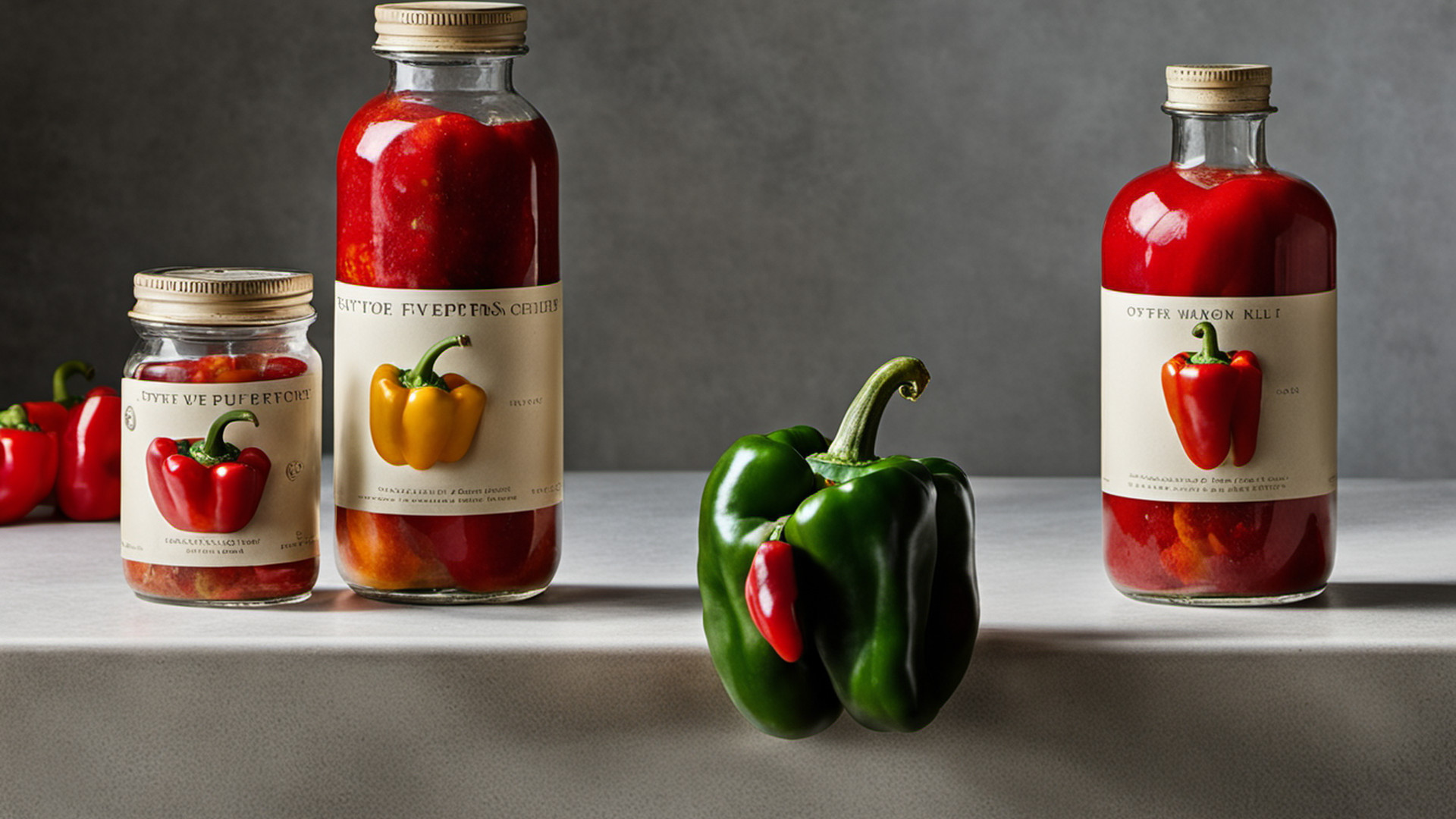
Mash, puree and finished sauce
Louisiana Pepper Exchange describes its mash as ground peppers that retain skins and seeds. Its puree is the same ingredient milled further for a smooth finish. Those descriptions distinguish texture, not a complete sauce recipe. A buyer still needs to know the ingredients and intended use.
Smooth does not necessarily mean seedless. Magic Plant describes a puree with no visible seeds, while its surrounding explanation says the skins and seeds are ground into the product. That is different from removing them. Read the specification if removing seed material matters to your recipe or equipment.
Start your own product notes with the result you want: a spoonable condiment, a sauce with visible pepper pieces, or a smooth pour. Then ask which ingredient preparation fits that result. This is a purchasing and recipe-development decision, not a claim that one texture tastes better. Keep the supplier's product name and the intended finished texture in separate fields. That prevents a later order for “puree” from silently becoming a substitute for a different ingredient you had already tested.
Mash and wet-brine fermentation
The University of Minnesota describes dry salting as suitable for finely chopped or shredded produce. Salt is mixed into the prepared produce. Its wet-brine approach uses salt dissolved in added water for whole produce or large chunks, with peppers for sauce among its examples. The useful distinction is what enters the vessel: chopped produce mixed with salt, or pieces placed in prepared brine.
Both belong to the university's discussion of fermentation. In that process, bacteria convert sugars into lactic acid. Adding vinegar to a mixture is not the same biological step. Nor does the word mash specify how long fermentation has run.
For a sauce-development notebook, record whether the peppers were chopped before fermentation or processed afterward. Also record any liquid retained or removed at finishing. That recommendation is an editorial way to make batches comparable, not a prescribed brine formula. Follow the selected recipe for quantities and handling. Choosing a method because its finished sauce looks appealing does not establish an interchangeable salt calculation, storage instruction or fermentation timetable.
A commercial example from TABASCO
TABASCO describes a sequence that makes the distinction between mash and sauce concrete. Peppers are mashed and mixed with salt, then aged in white oak barrels. The maker says this aging can last up to three years. The later stage combines the aged mash with distilled vinegar for 28 days before straining and bottling.
In this example, the name mash applies before the final sauce is made. Vinegar, straining and bottling are later steps in the manufacturer's account. Its dates describe that commercial product; they do not provide a home fermentation schedule or a process for a different pepper mixture.
When reading another maker's description, look for the same missing details rather than copying the time. Identify when the peppers are ground, whether the mash is an intermediate ingredient, and what happens before the sauce is served. Treat an account of how a brand makes its product as an explanation of that product. A home recipe needs its own instructions, quantities and intended storage conditions.
Using mash in a sauce recipe
Louisiana Pepper Exchange lists sauces, dressings, salsas and marinades among uses for its pepper mash. This helps explain why an ingredient catalog sells mash separately from bottled hot sauce. It supplies a pepper ingredient for another preparation, rather than specifying the entire dish.
For recipe development, first name the job you want that ingredient to do. Are you seeking a particular pepper variety, a coarse texture, or a convenient prepared ingredient? Write that requirement beside the recipe instead of choosing only from a product photograph. Then check whether the purchased product meets it.
Keep an ingredient worksheet that distinguishes the mash from fresh peppers and from finished sauce. Record the actual product, amount used, other ingredients and finished result. If you compare suppliers, make the comparison within the same recipe and intended use, following each product's handling directions. A change of supplier is something to assess, not an automatic equivalent substitution. Keep culinary preference separate from any conclusion about storage or preservation; liking the flavor of a trial does not answer those questions.
Read the purchased mash specification
Magic Plant's published mash example includes peppers, salt and vinegar. Its industrial-product guidance also says the mash must be further processed, such as by cooking. Those are reasons to inspect the actual product before treating a tub of mash as either fresh peppers or a ready-to-eat condiment. They are not instructions for every supplier's mash.
Ask for the pepper variety, full ingredient statement and any declared salt or vinegar content. Ask whether the item is intended for immediate consumption or further manufacturing. Request the supplier's storage and after-opening directions for that exact product. Do not substitute a general FAQ for a missing product specification when the two leave a practical question unanswered.
For purchasing, add pack size, minimum order, delivery conditions and the product identifier to your comparison. Consider whether you can use the stated quantity under the supplier's instructions before choosing the largest container. Save the specification with the order confirmation so later batches can be traced to what you bought. These are buyer questions, not claims that every seller offers the same sizes or handling conditions.
Choose equipment around the intended process
Ingredient texture belongs in the equipment decision. Louisiana Pepper Exchange's distinction between mash containing skins and seeds and puree milled to a smooth finish gives a concrete starting question. Ask whether the equipment and recipe you plan to use accommodate the ingredient as supplied. Do not rely on the word smooth as a complete specification.
For a home fermentation setup, list what you already own before comparing kits. The fermentation-kit guide separates included jars, weights, lids and airlocks from parts bought separately. Pick the recipe and container arrangement first, then check that the kit supplies the necessary pieces. A kit's name cannot fill gaps in recipe instructions.
For sauce finishing, use the blender manufacturer's rules for the intended material and temperature. The linked blender guide keeps those product restrictions visible. If your process calls for measuring pH, the pH-meter guide compares food-suitable probes and their care requirements. Measurement equipment is a purchase decision of its own. A meter listing does not establish a preservation process for the sauce, and a reading should not be used to invent one.
Keep recipe and preservation decisions together
The National Center for Home Food Preservation recommends recipes with tested ingredient proportions in its general pickling guidance. It also explains that salt in fermented pickles supports desirable bacteria while inhibiting others. That is a reason to follow the chosen process, not to borrow a supplier's commercial salt percentage for a home batch.
This guide explains an ingredient and the decisions around it. It is not a tested pepper-mash recipe, a canning schedule or a storage timetable. Before preparing a batch, identify the actual recipe, its ingredient form and its instructions for the finished food. If a product or process falls outside those instructions, resolve that gap before treating the recipe as applicable.
The related home-canning and shelf-stability articles address preservation questions separately. The recipe builder can help explore its listed recipes; it does not turn a purchased industrial mash into an approved substitute. Keep the product specification, chosen recipe and batch record together. That leaves a clear account of what you intended to make and which instructions applied, rather than a jar identified only by the broad word mash.
Sources
Source pages checked .
FAQ
Is pepper mash already hot sauce?
Pepper mash is a base of ground or crushed chili peppers and salt. Check the specific product and its intended use before treating it as a ready-to-eat sauce.
Does pepper puree mean the seeds were removed?
Not necessarily. Magic Plant describes puree with no visible seeds, but explains that its seeds and skins are ground into the smooth product. Ask for the actual specification.
Is pepper mash always already fermented?
The word alone does not establish that. TABASCO describes freshly mashed peppers mixed with salt before the aging stage. Look for a separate description of the fermentation or aging process.